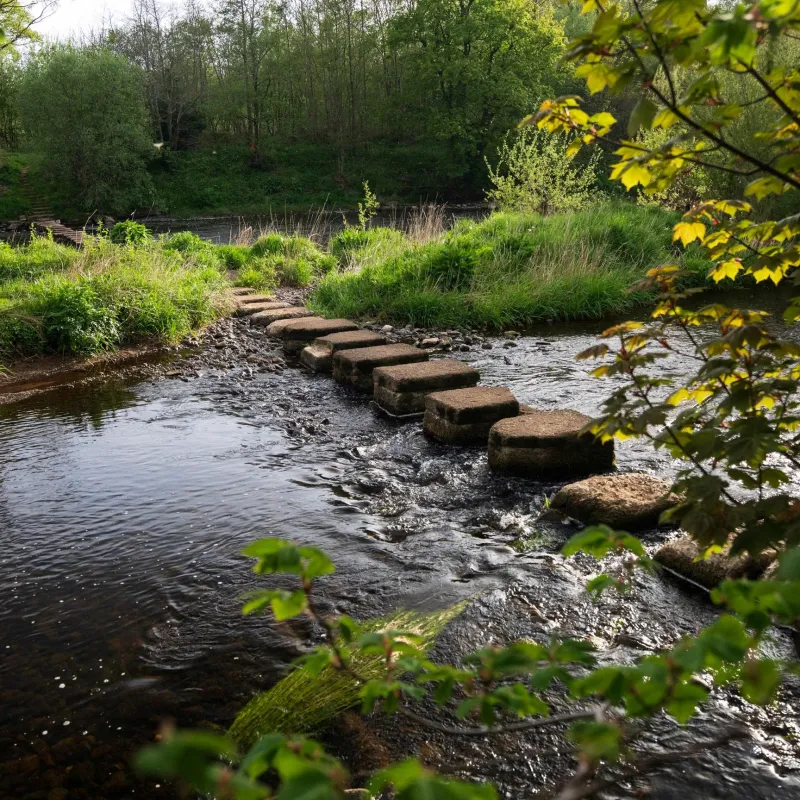
Water is a precious resource that is under significant pressure. Population growth, climate change and demand levels are placing greater demand on water than we've ever experienced. With more extreme weather conditions, including droughts and flooding, becoming more frequent in the UK, water scarcity is already a challenge and we all need to do what we can to use water wisely.
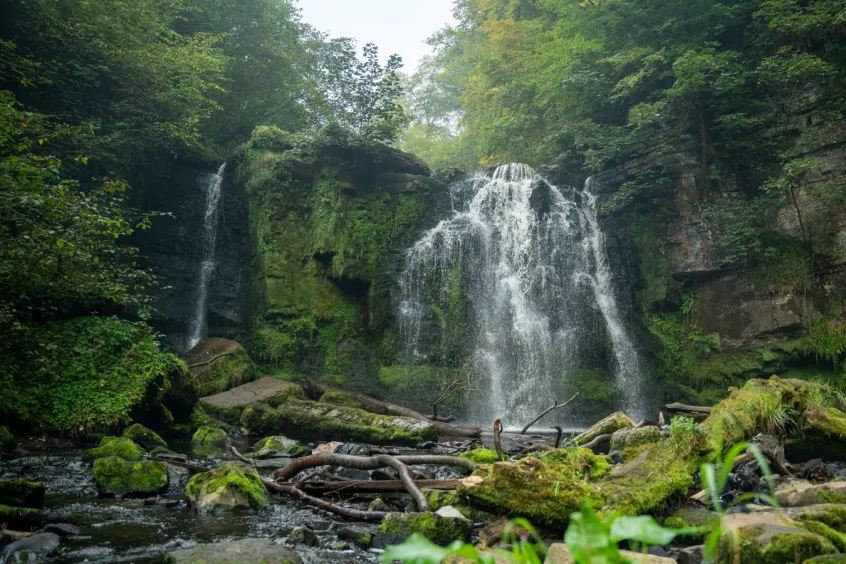
Our natural resources are under threat
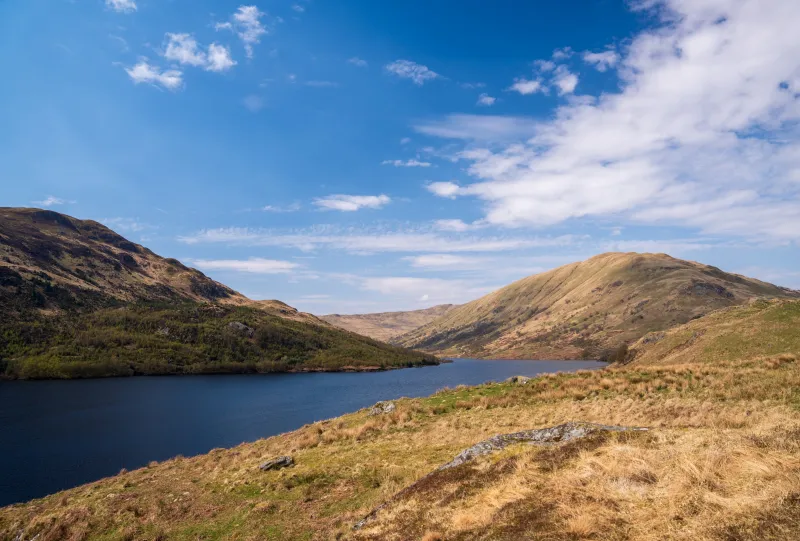
Less rain than you think
We often make the mistake of thinking that it always rains in the UK and we'll never be short of water, but that's not the case. It rains, but not everywhere and not all of the time.
In the last twenty years we've had nine of our 10 warmest years on record. In the summer of 2019, after three dry years, river levels in parts of the country dropped so low that some waterways disappeared.
London’s average annual rainfall is just 600 millimetres. That’s around half that of Sydney, Australia.
To your tap & beyond
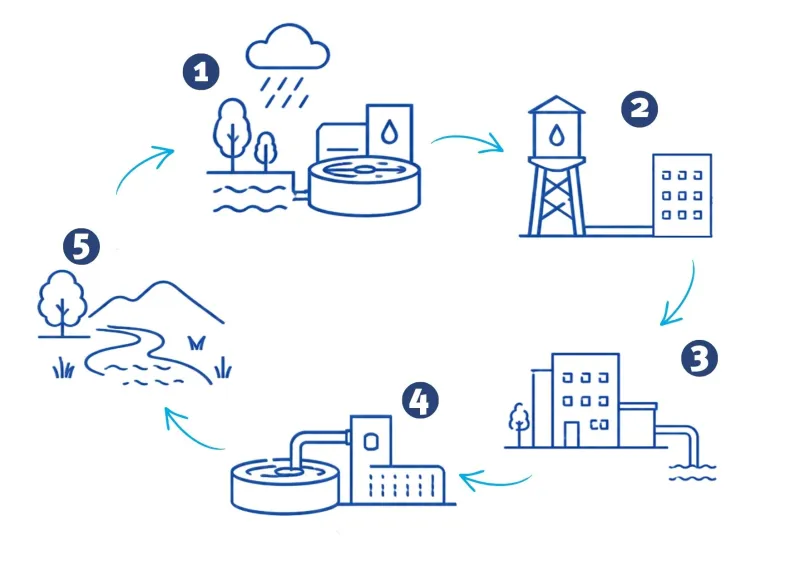
Each stage in water’s journey has a commercial and environmental cost.
1: Water is collected and treated
Rain and river water is collected from the natural environment and pumped to a treatment works. There, it’s filtered, cleaned and made suitable for drinking, then pumped to storage tanks.
2: Then it's pumped to you
Regional water companies transport this water through thousands of miles of pipes and ducts to connect the supply to your business.
3: You use it and it drains away
Once you’re finished with it, every drop must be transported and treated again. Drainage water, rainwater run-off from roads and buildings, and industrial waste water is all treated too.
4: Your waste water is processed
Filtering, straining and cleaning waste water is even more expensive and carbon-intensive than treating water collected from the natural environment.
5: Water finally returns to nature
Only when all the processing is complete can the clean waste water be returned to the environment.